IRRITABLE BOWEL SYNDROME
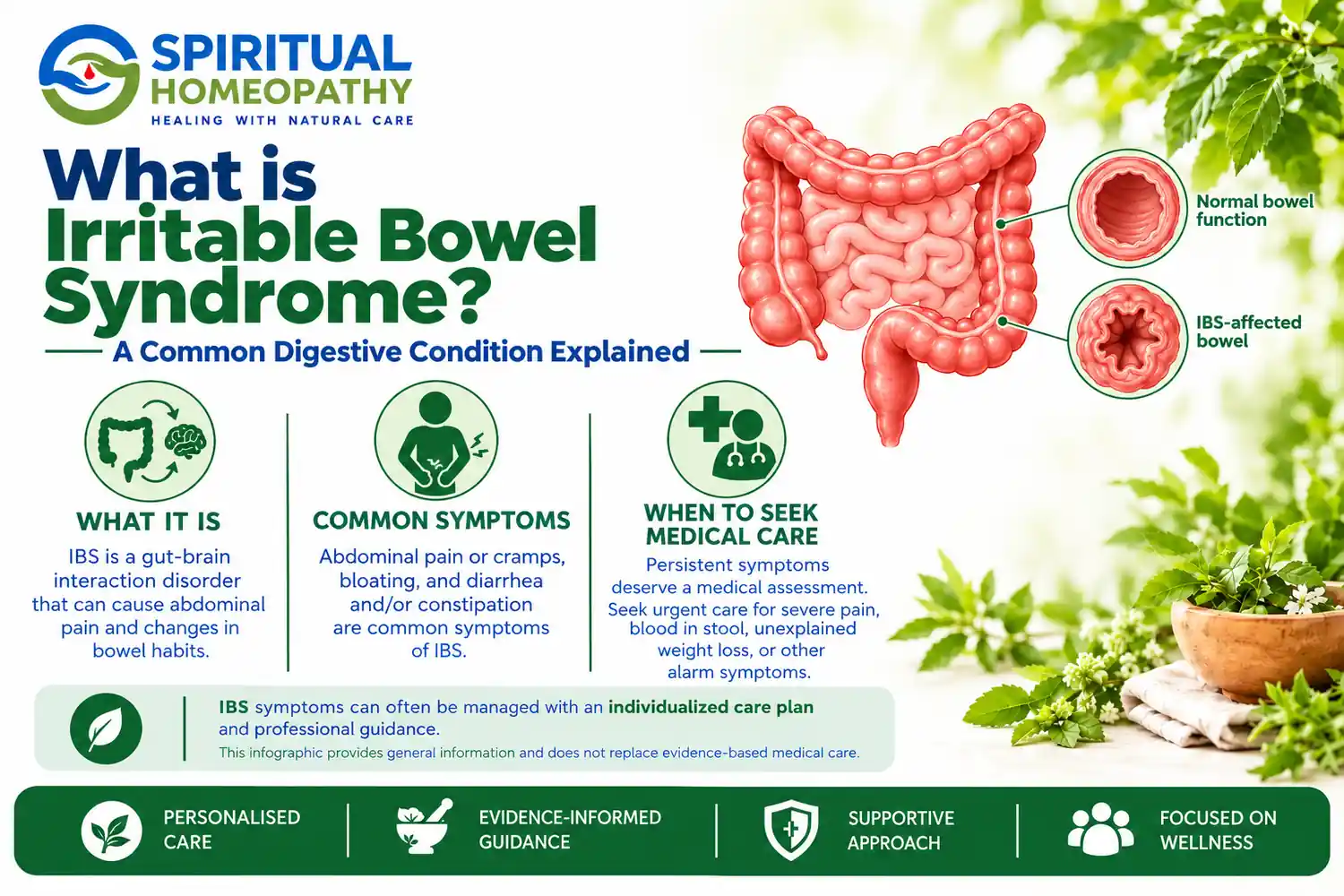
Irritable bowel syndrome is a common gastrointestinal disorder which affects the large intestine, greatly affects the quality of life. This condition results in stomach discomfort, irregular bowel habits and chronic discomfort but does not cause visible harm to digestive tract.
WHAT IS IBS?
Irritable bowel syndrome is a disorder of gut brain interaction characterized by recurrent abdominal pain associated with changes in bowel habits.
Triggers
⬇️
Altered gut-brain interaction
⬇️
Changes in intestinal motility
⬇️
Abnormal bowel function
⬇️
Abdomen pain + altered bowel habits
⬇️
Recurrent IBS symptoms
WHAT ARE THE COMMON TRIGGERS
- stress
- emotions
- Fatty foods
- Spicy foods
- Heavy meals
- Carbonated triggers
- Excess caffeine
- Alcohol
SIGNS AND SYMPTOMS
IBS looks different from person to person and symptoms fluctuate overtime. Common symptoms are-
- Bloating
- Abdominal pain
- Excessive gas
- Loose stools
- Constipation
- Alternating constipation and diarrhea
- Incomplete bowel evacuation
- Urgency
- Mucus in stool
HOW TO DIAGNOSE IBS?
- Complete blood picture
- Celiac disease screening
- Stool routine
- Thyroid profile
- Colonoscopy
ROLE OF HOMEOPATHY
From homeopathic perspective, IBS is often approached by considering individual’s emotional well being. IBS looks different in every individual, so the medicine is given based on the individual constitution. According to homeopathy, we believe that every disease is related to emotional conflict and psychological stress. emotional conflicts like suppressed anger, undigestable situations.Unresolved conflicts may be associated with changes in digestive function such as diarrhoea, bloating, constipation. This approach aims to address the person as a whole rather than focusing solely on gastric complaints.
| MYTH | FACT |
| IBS always cause diarrhoea | It usually cause diarrhoea, constipation or mixture of both |
| Skipping meals is better when IBS flares up | Skipping meals cause difficulty in maintaining adequate nutrition. |
| If symptoms disappear for few months, ibs is cured | Ibs symptoms can wax and wane |
| Ibs can be diagnosed with colonoscopy | Ibs does not cause any pathological changes. |
👍DO’S
Eat regular meals
Increase fibre intake(only during constipation)
Consume adequate water
Maintain food- symptom diary
Maintain bowel routine
Prioritize good sleep
❌DON’TS
Don’t skip meals for long period
Avoid taking stress
Don’t overconsume spicy and fatty foods
Avoid skipping sleep
🥗FOODS TO EAT
Soft food like- sweet potato, white rice, khichdi
Vegetables- carrot, pumpkin, beans, tomato
Fruits- banana, strawberry, papaya, orange
Protein source- lean meat, eggs, fish
🚫FOODS TO AVOID
FODMAP foods- onion, garlic, chickpea, cauliflower, apple, watermelon
Avoid deep fried foods
Avoid high spicy foods
Avoid caffeine and tea
Avoid dairy products and fibre foods (in diarrhoea)
Avoid carbonated beverages
✨WHY TO CHOOSE SPIRITUAL HOMEOPATHY?
At Spiritual Homeopathy, we believe that IBS deserves more than routine symptom management—it deserves personalized attention, thoughtful understanding, and compassionate care. Every individual experiences IBS differently, which is why we take the time to understand your unique digestive pattern, lifestyle, dietary habits, stress levels, emotional well-being, and overall health.IBS can influence much more than your digestion. Persistent bloating, abdominal discomfort, constipation, diarrhea, urgency, and unpredictable bowel habits can gradually affect your daily routine, confidence, comfort, and quality of life. At Spiritual Homeopathy, our approach is centered on understanding the individual behind the symptoms and creating a personalized care plan
Book an Appointment at Spiritual Homeopathy Clinics for a consultation and personalised healthcare guidance. Visit our branches in Dilsukhnagar, KPHB, or Nallagandla–Chandanagar. Call 9069 176 176 to schedule your appointment.
❓FREQUENTLY ASKED QUESTIONS
There is still no conclusive evidence on the exact cause for IBS, it could be due to factors such as:
Intestinal muscle contractions, infections, Intestinal bacterial overgrowth,
Inflammation in the intestines, Sensitive nerves in the intestines
While there is no single diet or medicine that works for everyone with IBS. Necessary Triggers have to avoided in order to overcome.
IBS is usually a lifelong problem. Symptoms tend to come and go over time, and can last for days.
IBS is a chronic condition it doesn’t develop all of sudden, it a gradual process.
Depending on the cause of IBS, a low FODMAP diet is suggested in reducing gas, bloating and diarrhoea.
Anxiety or depression are one of the major factors for IBS. Treating these problems will improve the symptoms of IBS.
Antibiotics can upset the balance of bacteria in your gut, which makes IBS more likely in few people.
IBS is a lifelong chronic condition that can be challenging to treat because the triggers and response to medicines vary from person to person. So it depends on the individual, his susceptibility towards the condition.
A variety of issues may cause IBS such as hormones, specific foods, stress, and underlying medical conditions.
women are more likely to be diagnosed than men – twice as likely. It is particularly more common among adults under the age of 45.
You should avoid IBS triggering foods, such as caffeine, dairy, fatty foods, high-sugar foods, alcohol, artificial sweeteners, and energy drinks.
Yes. Altered gut movement and increased sensitivity can make normal amounts of intestinal gas or digestive activity feel much more noticeable.
No. IBS generally does not cause the structural intestinal damage associated with conditions such as inflammatory bowel disease.
IBS symptoms can interfere with sleep, and poor sleep make gastrointestinal symptoms more difficult to manage.
It may. Eating quickly can lead to larger meals and swallowing more air, contributing to bloating and discomfort
Not necessarily. Fibre is usually advised in cases of constipation but not in diarrhoea as it worsens the condition.
Absolutely. IBS can predominantly involve constipation, diarrhea, or a mixture of both.
Yes. IBS commonly is a fluctuating pattern, with periods of minimal symptoms followed by flare-ups.
Yes, mucus can occur with IBS. However, persistent or significant changes in stool should be evaluated first and then diagnosed
Yes. Some people develop post-infectious IBS following an episode of gastroenteritis.
No. A low-FODMAP diet may help some people, but it is not necessary or appropriate for everyone.
Relief of abdominal pain after bowel movement is a common feature of IBS and is part of the symptom pattern doctors consider when evaluating the condition.
IBS itself does not necessarily cause excessive burping, but bloating, swallowed air, reflux or other digestive conditions can occur alongside IBS.
Bowel sounds are produced by movement of gas and fluid through the intestines. They may become more noticeable when bowel activity changes.