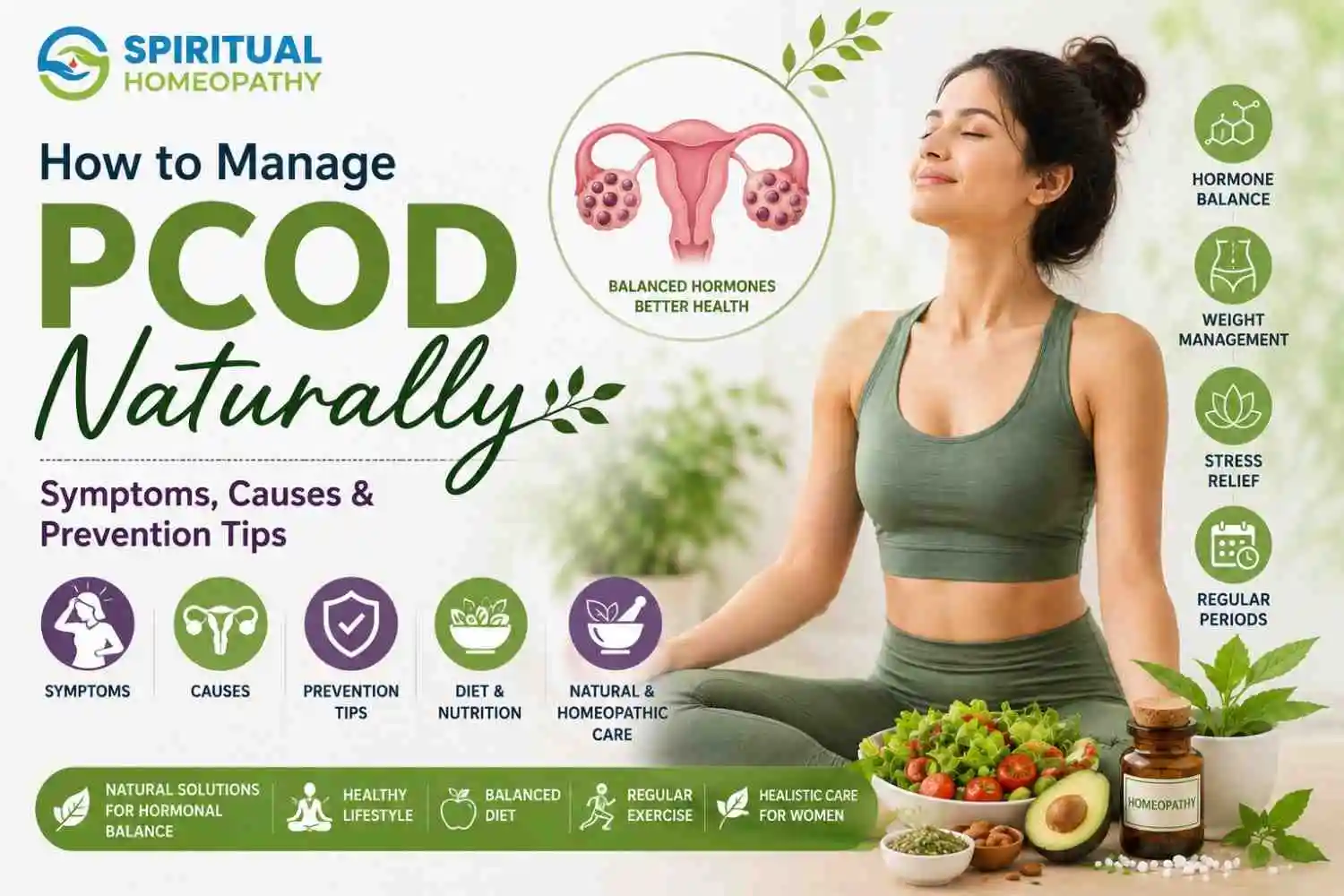
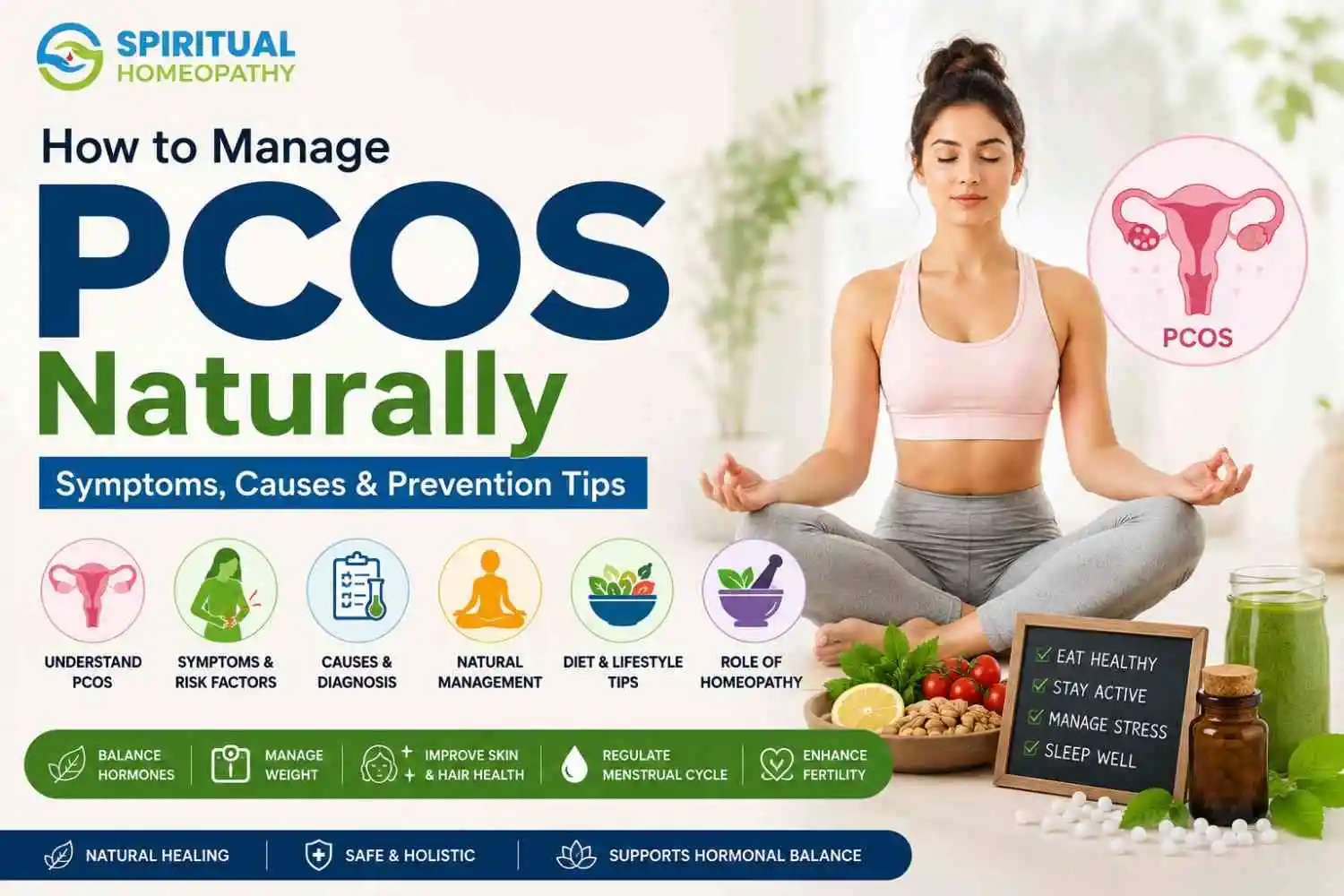
What is PCOS?
Let me rewind to a Tuesday afternoon five years ago. I was sitting in a cramped clinic room, staring at an ultrasound image of my ovaries. The doctor pointed to tiny pearl-like bubbles on the screen. “See these?” she said. “This is why your periods are irregular. You have PCOS.”
I had never heard of it. And yet, nearly 1 in 10 women of reproductive age worldwide share this same diagnosis . PCOS —or Polycystic Ovary Syndrome—is one of the most common endocrine disorders affecting women today. But here is the twist: despite the name, you don’t actually need to have cysts on your ovaries to have it.
PCOS is a metabolic and hormonal condition that disrupts ovulation, leads to excess androgen (male hormone) production, and often comes with insulin resistance. The good news? It is highly manageable with natural, lifestyle-based strategies. This is not a life sentence. It is a roadmap.
What Actually Causes PCOS? (It’s Not Just Your Ovaries)
Scientists haven’t found a single cause, but they have identified several key drivers. Understanding these is the first step to taking back control.
The Core Culprits
- Insulin Resistance (the biggest player): Up to 70-80% of women with PCOS have insulin resistance . Your cells stop responding normally to insulin, so your pancreas pumps out more and more. High insulin levels then trigger your ovaries to produce excess testosterone, which stops ovulation and causes symptoms like acne and hair growth.
- Chronic Low-Grade Inflammation: Women with PCOS often have elevated inflammatory markers like CRP. This inflammation further worsens insulin resistance and hormonal imbalances .
- Genetics: PCOS tends to run in families. If your mother or sister has it, your risk is significantly higher .
- Excess Androgen Production: Whether driven by insulin or by the ovaries themselves, too much testosterone and DHEA-S leads to the classic symptoms we’ll discuss below.
A Fresh Perspective
PCOS is not a reproductive disease—it is a metabolic disease that happens to affect reproduction. Once you shift your mindset to treating your metabolism (blood sugar, inflammation, stress), the hormonal symptoms often improve on their own.
Signs and Symptoms: How PCOS Shows Up
No two women experience PCOS the same way. Some have severe physical symptoms with regular periods; others have irregular cycles with no visible signs. Here is the full spectrum:
| Symptom Category | What You Might Notice |
|---|---|
| Menstrual Irregularities | Fewer than 8 periods per year, cycles longer than 35 days, or no periods at all |
| Hyperandrogenism (High Male Hormones) | Acne (especially along jawline and lower face), excess facial or body hair (hirsutism), male-pattern thinning on the scalp |
| Metabolic Signs | Unexplained weight gain (especially around the belly), difficulty losing weight, dark patches of skin on the neck or armpits (acanthosis nigricans—a sign of insulin resistance) |
| Fertility Issues | Difficulty getting pregnant due to irregular or absent ovulation |
| Mood and Energy | Fatigue, brain fog, increased risk of anxiety and depression |
Important: You do not need to have all these symptoms to be diagnosed. The Rotterdam criteria require two of three: irregular cycles, high androgens (blood test or physical signs), or polycystic ovaries on ultrasound .
Diagnosis and Investigations: Getting Clarity
If you suspect PCOS, proper diagnosis is essential. Your doctor will likely:
- Take a detailed history: Period patterns, weight changes, hair growth, acne, family history
- Run blood tests: Testosterone, DHEA-S, LH/FSH ratio, fasting glucose and insulin, lipid panel
- Perform a pelvic ultrasound: To visualize the ovaries (but again, cysts are not always present)
- Rule out other conditions: Thyroid disorders, high prolactin, congenital adrenal hyperplasia
Pro tip: If your doctor only orders an ultrasound and stops there, ask for metabolic testing. Treating PCOS without addressing insulin resistance is like mopping the floor with the tap still running.
Myths vs. Facts: Breaking the PCOS Misinformation
| Myth | Fact |
|---|---|
| “You have to be overweight to have PCOS.” | Lean PCOS exists. Up to 20% of women with PCOS are at a normal weight . |
| “PCOS means you can never have children.” | Most women with PCOS can conceive with proper ovulation management. |
| “Birth control pills cure PCOS.” | They mask symptoms but do not treat underlying insulin resistance or inflammation. |
| “Cutting all carbs is the only way.” | Low-glycemic, not no-carb, is more sustainable and effective long-term . |
| “Only obese women get insulin resistance.” | Even lean PCOS women often have hidden insulin resistance. |
How to Manage PCOS Naturally: Evidence-Based Strategies
Now for the part you came for. These natural approaches have strong scientific backing and have transformed thousands of lives—including my own.
1. Change Your Plate: The PCOS Diet
Diet is the single most powerful natural tool for PCOS. The goal is to lower insulin levels and reduce inflammation.
What to Eat (Abundantly):
- High-fiber vegetables: Broccoli, cauliflower, spinach, peppers, zucchini (they slow glucose absorption)
- Lean proteins: Eggs, chicken, fish, tofu, lentils (protein does not spike insulin)
- Healthy fats: Avocado, olive oil, nuts, seeds, fatty fish (omega-3s reduce inflammation)
- Low-glycemic carbohydrates: Quinoa, steel-cut oats, sweet potatoes, berries, beans
What to Limit or Avoid:
- Refined carbohydrates: White bread, white rice, pastries, sugary cereals (fast glucose spikes)
- Added sugars: Soda, candy, sweetened yogurts, fruit juice
- Dairy (for some): In certain women, dairy can worsen acne and hormonal imbalance due to growth factors . Experiment with a 3-week elimination.
- Processed foods: Chips, fast food, processed meats (promote inflammation)
Sample Plate Method:
- ½ plate non-starchy vegetables
- ¼ plate lean protein
- ¼ plate low-glycemic carb
- Add 1 tablespoon healthy fat
2. Move Your Body (But Not Too Much)
Exercise improves insulin sensitivity independent of weight loss. However, not all exercise is equal for PCOS.
Best types:
- Strength training (2-3x/week): Builds muscle, which is a metabolic sink for glucose. Think squats, deadlifts, push-ups.
- Low-to-moderate cardio: Brisk walking, jogging, swimming—aim for 30 minutes, 5 days a week .
- Yoga: Reduces cortisol (stress hormone), which worsens androgens .
What to avoid: Excessive high-intensity interval training (HIIT) every day. It can spike cortisol and backfire for some women with PCOS. Listen to your body.
3. Address Stress and Sleep
Cortisol (stress hormone) worsens insulin resistance and triggers androgen production. Sleep deprivation does the same.
- Aim for 7-9 hours of quality sleep per night . Set a consistent bedtime.
- Practice stress management: Meditation, deep breathing, journaling, or simply 10 minutes of quiet time daily.
- Limit screen time before bed: Blue light disrupts melatonin and cortisol rhythms.
4. Targeted Supplements (With Research)
The following supplements have solid evidence for PCOS:
| Supplement | What It Does | Typical Dose |
|---|---|---|
| Inositol (Myo & D-Chiro) | Improves insulin sensitivity, restores ovulation; as effective as metformin in many studies | 40:1 ratio, 4g daily |
| Berberine | Lowers blood sugar and insulin; shown to improve cholesterol and testosterone | 500mg 2-3x daily (consult doctor) |
| Vitamin D | 67-85% of women with PCOS are deficient; supplementation improves metabolic and hormonal markers | 2,000-4,000 IU daily |
| Omega-3 fatty acids | Reduces inflammation and triglycerides | 1,000-2,000 mg daily |
| Magnesium | Improves insulin sensitivity and sleep quality | 300-400 mg daily |
| Zinc | Reduces hair loss, acne, and excess hair growth | 25-30 mg daily |
Always consult your doctor before starting supplements, especially berberine (which can interact with medications).
Prevention Tips: Can You Lower Your Risk?
While you cannot change your genetics, you can reduce the severity of PCOS and prevent complications like type 2 diabetes and heart disease.
- Maintain a healthy weight before puberty: Childhood obesity is linked to earlier PCOS onset.
- Stay active from a young age: Regular exercise patterns started in adolescence protect metabolic health.
- Avoid endocrine-disrupting chemicals: Reduce plastic food containers, non-stick pans, and fragranced products when possible .
- Get screened if you have a family history: Early diagnosis allows early intervention with lifestyle alone, often preventing symptom progression.
Most important prevention: If you have irregular periods or acne that won’t clear, don’t wait until you want to get pregnant. Treat the insulin resistance now—your future self will thank you.
What About Homeopathy for PCOS?
Some women explore homeopathy for PCOS. What does the evidence say?
A 2024 systematic review concluded that while individual case reports suggest potential benefits, “the current body of literature is methodologically weak and insufficient to recommend homeopathy as a standalone treatment for PCOS” . High-quality randomized trials are lacking.
My take: Homeopathic remedies are generally safe and may offer placebo-supported relief for stress or mild symptoms. However, do not replace evidence-based diet, exercise, and supplement strategies with homeopathy alone. If you choose to explore it, discuss with your doctor and continue monitoring your cycles and blood work.
A Sample Day of PCOS-Friendly Eating
| Meal | Options |
|---|---|
| Breakfast | Scrambled eggs with spinach and avocado; unsweetened green tea |
| Lunch | Grilled chicken salad with mixed greens, cucumbers, olive oil dressing; small sweet potato |
| Snack | Handful of walnuts or an apple with almond butter |
| Dinner | Baked salmon, roasted broccoli, and quinoa |
| Dessert (optional) | A few dark chocolate squares (70%+ cocoa) |
When to See a Doctor Despite Natural Management
Natural strategies are powerful, but they are not a substitute for medical care in certain situations:
- You have not had a period for 3+ months (risk of endometrial hyperplasia)
- You are actively trying to conceive without success after 6-12 months
- You have severe acne or hirsutism affecting your quality of life
- You have symptoms of depression or anxiety that interfere with daily functioning
Fertility medications (letrozole, clomiphene) and anti-androgen medications (spironolactone) have their place. There is no shame in using them.
Conclusion: You Are Not Your Diagnosis
PCOS can feel overwhelming. The irregular cycles, the unwanted hair, the weight that clings despite your best efforts—it is real and it is frustrating. But here is what I wish someone had told me in that clinic room:
This is not a hopeless condition. It is a signal. Your body is asking for a different kind of fuel, a different rhythm of movement, a different relationship with stress. And when you listen, it will reward you.
Start small. Switch one meal to low-glycemic. Walk for 15 minutes after dinner. Take magnesium before bed. These tiny changes add up to a transformed life.
You have done hard things before. You can do this too.
Have you been diagnosed with PCOS? What natural strategies have made the biggest difference for you? Share your story in the comments—your experience could inspire someone who feels completely alone right now.
Subscribe to our newsletter for weekly evidence-based guides on hormonal health and natural wellness, delivered straight to your inbox.
Disclaimer: This article is for informational purposes only and does not constitute medical advice. Always consult your healthcare provider before starting any new supplement, diet, or exercise program, especially if you are pregnant, nursing, or taking medications.