LOW LIBIDO
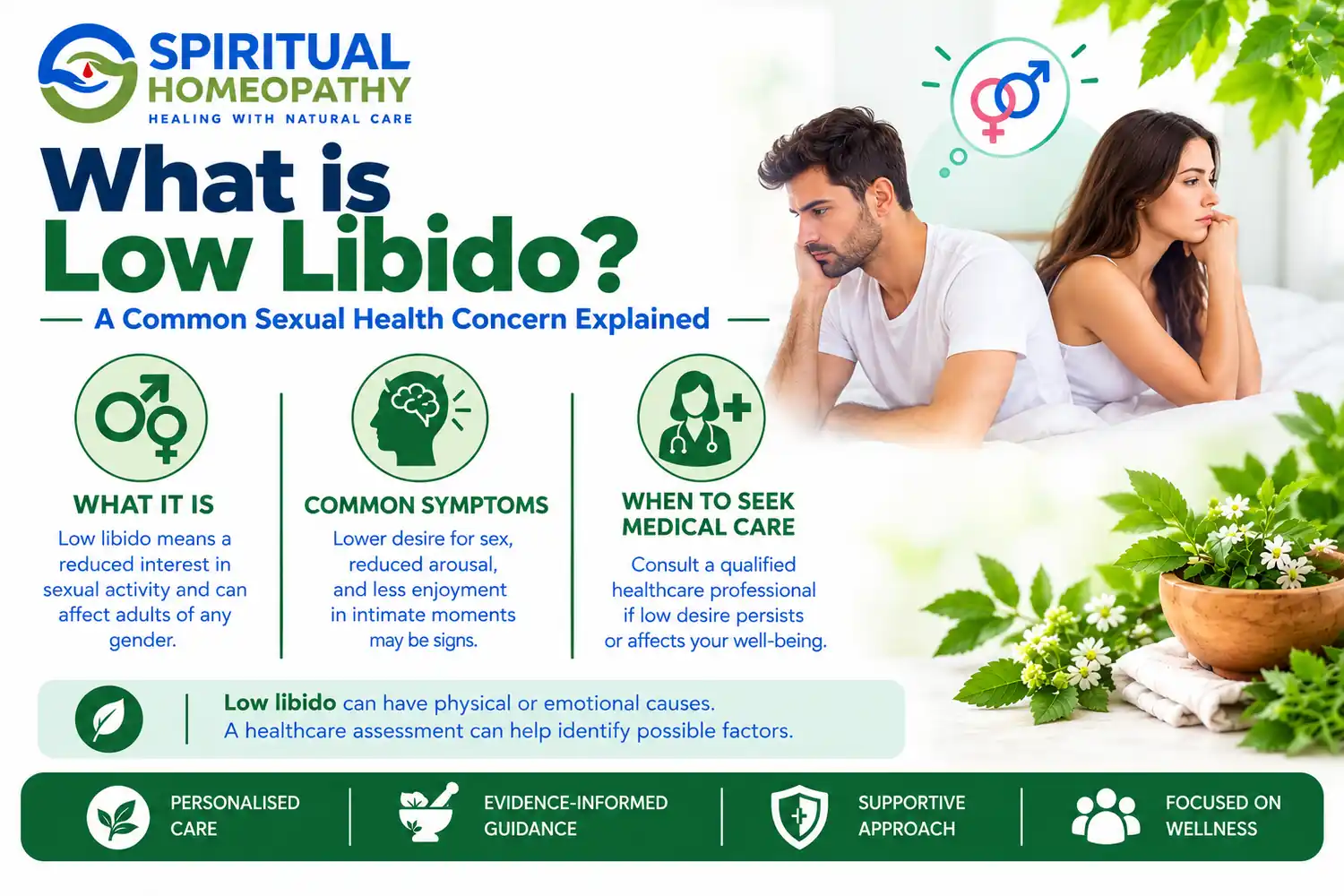
Sexual health is one of the important part of overall well being of an individual. There are times when a person may notice reduced interest in sexual activity which is nothing but the low libido or low sex drive. Occasional fluctuations in sex drive is a normal part of life but complete loss of interest can effect the relationship, emotional health.
WHAT IS LOW LIBIDO?
Libido refers to overall decrease in sexual desire which is also called low sex drive. Everybody has different sexual drive so having a low libido is not a problem always. But persistent disinterest needs medical attention. It can affect both genders and may occur at any age.
WHAT ARE THE CAUSES OF LOW LIBIDO?
- Hormonal changes
- Men- reduced testosterone levels
- Women- perimenopausal, post partum or breast feeding can cause decreased desire, thyroid hormone imbalance
- Psychological causes
- Stress
- Anxiety
- Depression
- Relationship conflicts
- Lack of self confidence
- Lifestyle causes
- Poor sleep
- Smoking
- Excess alcohol
- Lack of exercise
- Unhealthy diet
- Medical condition and medication
HOW DOES IT HAPPEN?
Physical or emotional triggers
⬇
Hormonal fluctuations
⬇
Reduced sexual desire
⬇
Low libido
⬇
Effects quality of life
SIGNS AND SYMPTOMS
- Loss of sexual interest
- Difficulty becoming sexually aroused
- Less interest in intimacy
- Emotional distress because of low sexual interest
- IN MEN- Low energy
Difficulty maintaining erection
Reduced confidence
- IN WOMEN- vaginal dryness
Pain during intercourse
Difficulty reaching orgas
Emotional frustration
HOW TO DIAGNOSE LOW LIBIDO?
- Complete blood count
- Thyroid function test
- Testosterone
- Estrogen
- Prolactin
- Vitamin D
- Vitamin B12
ROLE OF HOMEOPATHY
Low libido is more than just a decrease in sexual desire, it can reflect the physical health, emotional wellbeing, hormonal balance, lifestyle and relationship dynamics. It also has great impact on ones own self confidence. According to homeopathy, we believe that low libido happens due to partner separation conflict, self worth conflict, emotional stress, parenthood responsibilities. We take in detail case taking and it starts right after the patient enters the clinic, we include the patients physical complaints, mental symptoms, lifestyle, stress and give the treatment based on individualisation. We try to resolve unresolved emotional experiences which will support in recovery with good health. Our holistic assessment typically considers stress, medical history and overall well being alongside sexual symptoms.
| MYTH | FACT |
| Low libido only affects older adults | Low libido can occur at any age due to stress, lifestyle changes. |
| If medical tests are normal, the problem isn’t real | Inspite of normal routine tests, sometimes low libido can occur. |
| Talking about low libido with partner only makes it worse | Honest communication with partner can improve the outcomes |
| Poor sleep doesn’t cause low libido | Inadequate sleep alters hormone regulation which leads to low libido |
| Low libido is always a sign of infertility | Libido and fertility are different |
| Low libido is a permanent condition | Identifying underling cause can improve sexual desire |
✅ DO’S
- Stress management
- Get quality sleep
- Stay well hydrated
- Communicate openly with your partner
- Exercise regularly
- Maintain healthy body weight
❌ DON’TS
- Avoid excess alcohol consumption
- Avoid smoking
- dont take over the counter sexual enhancement suppements
- don’t compare your sex drive with others
- don’t lead a completely sedentary lifestyle
- avoid excessive sugary drinks and beverages.
👍FOODS TO CONSUME
- High protein- lentils, chickpea, paneer, eggs, fish, soya, kidney beans
- Whole grains- oats, millets, brown rice, whole wheat
- Vegetables- spinach, broccoli, beetroot, fenugreek leaves
- Fruits- pomegranate, berries, orange, blueberries
- Nuts& seeds- almond, walnut, flaxseeds, pumpkin seeds
🚫FOODS TO AVOID
- Refined sugars- cakes, candies, pastries, sweets
- Fried foods
- caffeine
- Processed food- chips, instant noodles, frozen meals
- Sugary drinks
- Alcohol
✨WHY TO CHOOSE SPIRITUAL HOMEOPATHY?
At, spiritual homeopathy we believe that low libido deserves thoughtful attention, privacy and individualized care. Every patient is unique and our treatment is based on understanding your physical health, emotional well being and personal concerns. Low libido is often the body’s quiet signal that something deeper is out of alignment such as chronic stress, unresolved emotional blockage or a disconnect from self worth. Constitutional homeopathic remedies work gently to clear these energetic blockages and restore inner balance. By revitalizing your core energy, this holistic approach safe guards overall well being naturally rekindles passion, intimate connection. At spiritual homeopathy, we are dedicated to provide compassionate, personalized treatment across India and worldwide, out sole mission it to make quality homeopathic treatment accessible to everyone. Reclaim your vitality and reconnect with your inner spark though a personalized, confidential spiritual homeopathy consultation, book your session today to begin holistic journey.
Book an Appointment with Spiritual Homeopathy Clinics for a personalised consultation at our Dilsukhnagar, KPHB, or Nallagandla–Chandanagar branch. Call 9069 176 176 to schedule your appointment and discuss your healthcare concerns with our team.
❓FREQUENTLY ASKED QUESTIONS
Yes. Sexual desire naturally fluctuates with age, stress, hormonal changes, health conditions, medications, pregnancy, and life events.
Sometimes yes, If your reduced sexual desire lasts for several months, causes personal distress, or affects your relationship.
Yes. Emotional stress, anxiety, depression, relationship issues, poor sleep, and work-related stress can reduce libido.
Sometimes. Conditions such as diabetes, thyroid disorders, low testosterone (in men), menopause (in women), depression, and certain chronic illnesses can contribute to low libido.
Yes. Lack of quality sleep can affect energy levels and hormone regulation, which influence libido.
Moderate, regular exercise can improve circulation, energy, mood, and overall well-being, which may positively influence sexual desire.
Yes. Chronic stress increases cortisol levels, which can interfere with hormones involved in sexual desire.
No. While relationship issues may contribute, many physical, hormonal, psychological, and lifestyle factors can also play a role.
Mild dehydration can contribute to fatigue and reduced energy, which may indirectly affect libido.
Hormone testing may be recommended if your healthcare provider suspects a hormonal imbalance based on your symptoms and medical history.
Yes. Excess body weight may be associated with hormonal changes, reduced energy, cardiovascular disease, and diabetes, all of which can influence sexual desire.
Yes. Poor nutrition and low body weight may affect hormone production and reduce sexual desire.
Not always. Some antidepressants may reduce sexual desire in certain people, while others have less impact.
Yes. Hormonal changes during menopause may contribute to vaginal dryness, discomfort during intercourse, and changes in sexual desire.
No. Testosterone is present in both men and women and contributes to sexual desire in both sexes, although levels and roles differ.
Not necessarily. For some people, excessive usage may even contribute to unrealistic expectations or relationship difficulties.
No. Many products are not well studied, and some may contain undeclared ingredients or interact with medications.
Yes. Performance anxiety can create a cycle of stress that reduces sexual desire and satisfaction.
If low libido is persistent, distressing, sudden in onset, associated with pain, hormonal symptoms, erectile dysfunction, vaginal dryness, or other health concerns, consult a healthcare professional for evaluation.
In many cases, yes. Treatment depends on the underlying cause and may include lifestyle changes, counseling, management of medical condition or other evidence-based therapies recommended by a healthcare professional.
No, while hormone levels may naturally decline with age libido occurs naturally.
Every person has a unique level of sexual desire. Differences in libido are common and don’t necessarily indicate a problem.
Yes, low libido is one of the most common concern and can affect both men and women.
Certain nutrient deficiencies, such as iron, vitamin D, vitamin B12, or zinc deficiency, may contribute to fatigue and reduced well-being, which can affect libido.
Yes. Dehydration may lead to fatigue, headaches, and reduced physical comfort, indirectly affecting sexual desire.