The Weight We All Carry
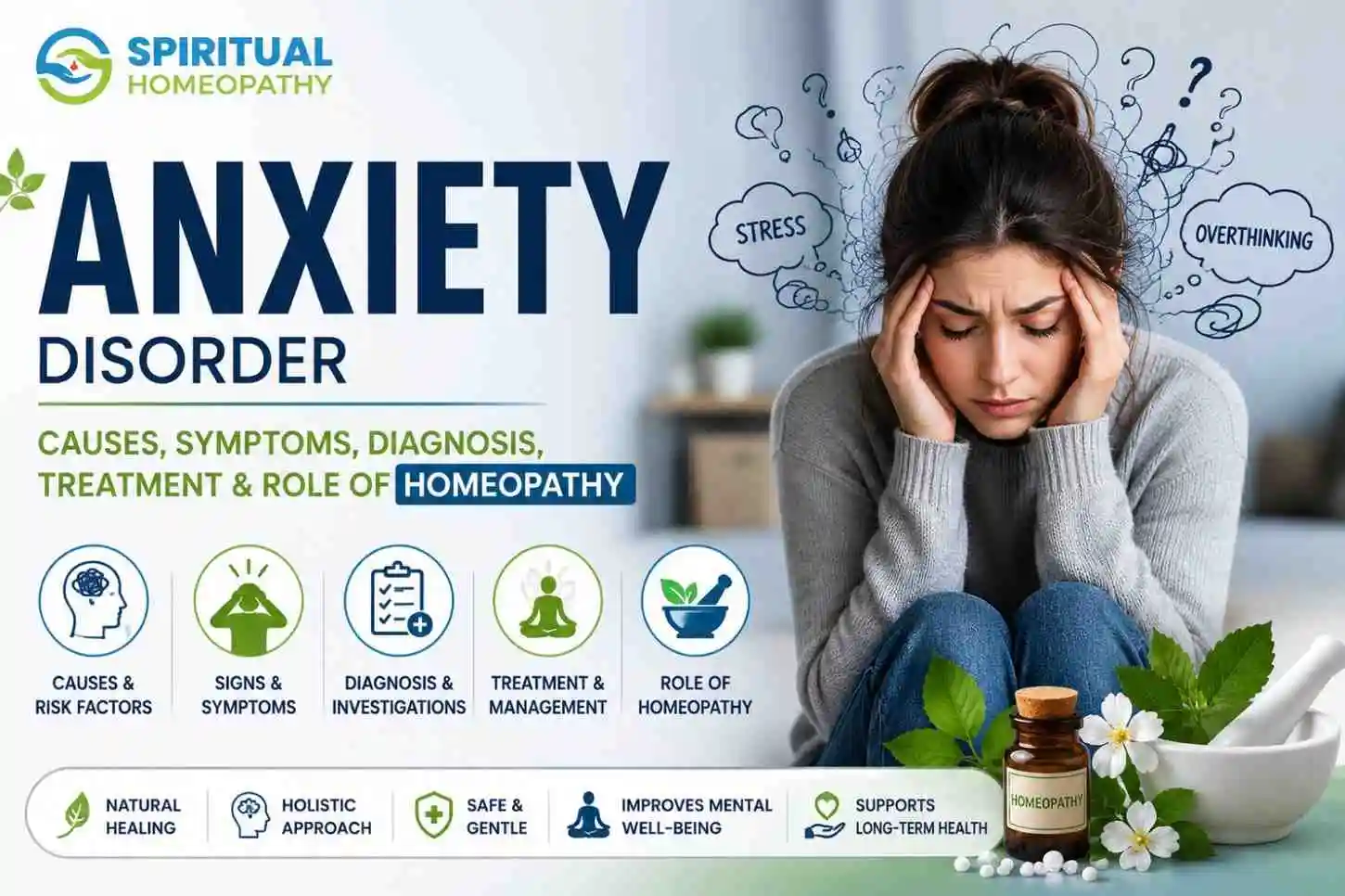
Close your eyes for a moment and think back. Can you recall the last time your heart raced before a big presentation? Or the night you lay awake, mind spinning with “what ifs” about a decision you had to make? That feeling—that flutter of unease—is something every human knows.
But what happens when that feeling never leaves? When the worry doesn’t stop after the presentation is over, and the racing thoughts become your permanent background noise?
That is anxiety tipping over from a normal human response into something that controls you . I have been there—lying awake at 3 AM, exhausted but unable to silence the alarms going off in my head for no real reason. If this sounds familiar, you are not alone. And more importantly, you are not without options.
What Is Anxiety? (And What It Is Not)
Before we dive into solutions, let’s clarify what we are actually dealing with.
Anxiety is defined as a feeling of worry, dread, or fear about what might happen . It is your brain’s ancient alarm system—designed to protect you from threats. In small doses, it helps you prepare for challenges.
Where it becomes a disorder is when that alarm gets stuck in the “on” position.
Key distinction: An anxiety disorder is a condition that causes impairment and affects quality of life . It is not a character flaw or a sign of weakness. It is a medical reality that millions face.
What Causes Anxiety? The Perfect Storm
Experts do not point to a single cause. Instead, anxiety emerges from a complex web of factors :
- Genetics: If your parents had an anxiety disorder, your risk is higher.
- Brain Chemistry: Imbalances in neurotransmitters like serotonin and GABA play a major role.
- Life Experiences: Trauma, chronic stress, loss, or even childhood shyness can set the stage .
- Physical Health: Thyroid disorders, heart conditions, and diabetes are linked to higher anxiety rates .
- Substances: Caffeine, alcohol, and certain medications can trigger or worsen symptoms.
As the JAMA network notes, about 1 in 3 adults will experience an anxiety disorder in their lifetime . That is not rare. That is epidemic.
Signs and Symptoms: How Anxiety Shows Up in Your Body
Here is what most people don’t realize: Anxiety is not just “in your head.” It is brutally physical.
Short-Term Physical Effects
When your body perceives a threat, it floods with adrenaline and cortisol. You may experience :
- Racing heart or palpitations (the feeling your heart is skipping a beat)
- Rapid, shallow breathing (which can feel like suffocation)
- Stomach cramps, nausea, or diarrhea (the gut-brain connection is real)
- Tension headaches from constant jaw or neck tightening
- Trembling or sweating for no apparent reason
- Trouble sleeping (falling asleep or staying asleep)
Long-Term Physical Effects
When anxiety becomes chronic, it wears down your body :
- Cardiovascular strain: Chronic anxiety can lead to high blood pressure and increase heart disease risk
- Immune suppression: Constant cortisol release weakens your ability to fight off infections
- Digestive disorders: Long-term anxiety increases the risk of developing IBS
- Adrenal fatigue: Your stress hormone system can become depleted over time
Emotional and Behavioral Signs
- Irritability over small things
- Feeling constantly “on edge” or restless
- Difficulty concentrating (common in panic disorder)
- Withdrawing from social activities you once enjoyed
- Changes in appetite (eating too much or too little)
Diagnosis and Investigations
If you suspect you have an anxiety disorder, proper diagnosis is essential. Here is what to expect:
Medical Evaluation
Your doctor will likely:
- Take a thorough history: Symptoms, duration, triggers, family history
- Perform a physical exam: To rule out medical causes (thyroid issues, heart conditions)
- Order blood tests: Thyroid panel, vitamin D, B12, and complete blood count
- Use screening tools: The GAD-7 questionnaire for generalized anxiety disorder or the HAM-A scale
When to Seek Help
- Your anxiety is interfering with work, school, or relationships
- You are avoiding situations because of fear
- You have physical symptoms like chest pain or shortness of breath
- You are using alcohol or drugs to cope
- You have thoughts of harming yourself
Natural Ways to Manage Anxiety: Evidence-Based Strategies
Medication and therapy are powerful tools. But natural approaches can be equally transformative—especially for mild to moderate anxiety. These strategies address the root causes, not just the symptoms.
1. Change What You Eat (It Matters More Than You Think)
According to Mayo Clinic expert Dr. Craig Sawchuk, while diet alone won’t cure anxiety, certain foods can calm your nervous system :
What to Eat More Of:
- Protein at breakfast: Helps stabilize blood sugar and energy levels
- Complex carbohydrates: Oatmeal, quinoa, whole-grain breads—these raise serotonin for a calming effect
- Omega-3 fatty acids: Salmon, walnuts, flaxseeds (3 grams per day showed anxiety reduction in clinical trials)
- Fresh fruits and vegetables: Supports overall brain health
What to Limit or Avoid:
- Caffeine: Stop at least 10 hours before bedtime. Caffeine can make you feel jittery, nervous, and more anxious .
- Alcohol: Initially calming, but as your body processes it, you feel edgier. It also ruins sleep quality .
- Sugary foods and drinks: Simple carbohydrates cause blood sugar spikes and crashes that worsen mood.
- Dehydration: Even mild dehydration affects mood and increases anxiety .
The Bottom Line: Eat whole, balanced meals. Stay hydrated. Cut the stimulants.
2. Move Your Body
Exercise is one of the most under-prescribed treatments for anxiety. Regular movement:
- Releases endorphins (natural mood elevators)
- Burns off excess stress hormones
- Improves sleep quality
- Provides a healthy distraction from worried thoughts
You don’t need to run marathons. Walking, dancing, yoga, or even 15 minutes of stretching daily makes a measurable difference .
3. Master Your Breath
Anxiety often triggers shallow, rapid breathing from the chest. This signals your brain that something is wrong—creating a vicious cycle.
Box breathing is a simple, powerful technique :
- Inhale for 4 counts
- Hold for 4 counts
- Exhale for 4 counts
- Pause for 4 counts
- Repeat
This directly calms your nervous system. Do it for two minutes when you feel the panic rising.
4. Prioritize Sleep
There is a two-way relationship: anxiety disrupts sleep, and poor sleep worsens anxiety. Aim for 7-9 hours nightly . Establish a consistent bedtime routine, limit screen time before bed, and keep your bedroom cool and dark.
5. Mindfulness and Meditation
Meditation isn’t about “emptying your mind.” It is about training your attention. Studies show that just eight weeks of regular meditation can reduce anxiety levels . Start with five minutes daily using an app like Insight Timer or Calm.
6. Natural Supplements (With Scientific Backing)
Research supports several supplements for anxiety relief. Always consult your doctor before starting any supplement.
The Role of Homeopathy in Anxiety Management
Now let’s address the topic many are curious about but few understand: homeopathy for anxiety.
What the Latest Research Says
In 2025, two major studies examined homeopathy for generalized anxiety disorder (GAD)—with conflicting results.
Study 1 (Positive Findings): A randomized controlled trial published in the European Journal of Complementary and Alternative Medicine reported that individualized homeopathic remedies significantly reduced anxiety symptoms compared to placebo over 8 weeks .
However, caution is warranted. The same analysis was sharply criticized by Professor Edzard Ernst, MD, who noted the study lacked essential methodological details and was published in a journal with questionable scientific rigor. He stated that the paper had “all the hallmarks of being fraudulent” .
Study 2 (Negative Findings): A more rigorous, double-blind, placebo-controlled trial published in Medicine Research and Clinical Practice (Lippincott) followed 96 participants over 3 months. The result: No statistically significant difference between homeopathy and placebo. The authors concluded that “the analysis failed to demonstrate conclusively that the therapy was effective beyond the placebo effect” .
Common Homeopathic Remedies for Anxiety
Traditional homeopathic literature suggests specific remedies for different anxiety presentations :
| Remedy | Traditional Indication |
|---|---|
| Aconitum napellus | Sudden panic attacks with intense fear and palpitations |
| Argentum nitricum | Stage fright, apprehension, feeling hurried |
| Arsenicum album | Deep health anxiety, obsessive neatness, panic around midnight |
| Calcarea carbonica | Overwhelm from work or illness, fear of breakdown |
| Gelsemium | Stage fright with weakness, trembling, dizziness |
| Ignatia amara | Anxiety triggered by grief or emotional stress, lump in throat |
| Kali phosphoricum | Exhaustion-induced anxiety, jumpiness, inability to cope |
| Lycopodium | Lack of confidence, performance anxiety, digestive issues |
| Natrum muriaticum | Reserved, private people who isolate when hurt |
| Phosphorus | Open-hearted, easily startled, needs reassurance |
| Pulsatilla | Clingy, tearful anxiety (common in children or hormonal changes) |
| Silicea | Nervousness before public speaking or interviews |
The Honest Bottom Line on Homeopathy
If you find comfort in homeopathy, it is unlikely to harm you. The remedies are highly diluted and generally safe. However, the best available evidence from methodologically sound trials does not support homeopathy as being more effective than placebo for anxiety .
What I recommend: Do not abandon evidence-based treatments (therapy, lifestyle changes, and when needed, medication) for homeopathy alone. But if you wish to explore it as a complementary approach, discuss this openly with your healthcare provider and continue monitoring your symptoms objectively.
Myths vs. Facts About Anxiety
| Myth | Fact |
|---|---|
| “Just relax and stop worrying.” | Anxiety disorders are medical conditions, not choices. |
| “Medication is the only answer.” | Lifestyle changes, therapy, and natural approaches are highly effective. |
| “Anxiety is all in your head.” | It has very real physical effects on your heart, gut, and immune system. |
| “Drinking alcohol helps my anxiety.” | Alcohol worsens anxiety once it wears off and disrupts sleep. |
| “Caffeine has no effect on my mood.” | Caffeine directly triggers the fight-or-flight response. Try cutting it for 2 weeks. |
A Sample Anti-Anxiety Daily Routine
Here is how you might put this all together:
- Morning: Protein-rich breakfast (eggs or Greek yogurt). No coffee before food. 5 minutes of box breathing.
- Midday: Walk outside for 15 minutes. Lunch with omega-3s (salmon or walnuts). Hydrate with water.
- Evening: No caffeine after 2 PM. Dinner with complex carbs (quinoa or sweet potatoes). Magnesium-rich snack (dark chocolate or pumpkin seeds).
- Night: No screens 1 hour before bed. Chamomile tea. 5 minutes of meditation. Consistent bedtime.
When Natural Approaches Are Not Enough
Natural strategies are powerful, but they are not a substitute for professional care when anxiety is severe.
Seek professional help if:
- Your anxiety causes panic attacks (sudden episodes of intense fear with physical symptoms)
- You have thoughts of suicide or self-harm
- You are unable to work, maintain relationships, or leave your home
- Natural approaches have not helped after 2-3 months of consistent effort
Cognitive Behavioral Therapy (CBT) has been shown to be superior to placebo for managing panic disorder, with response rates of nearly 40% . Medication (SSRIs, SNRIs) is also highly effective and not something to fear.
Conclusion: Your Path Forward
Anxiety is not your fault. It is not a weakness. But it is your responsibility—and the good news is that you have more power than you think.
Start small. Drink more water. Cut the caffeine after lunch. Take five deep boxes breaths right now, before you close this tab. These tiny actions add up.
The goal is not to eliminate anxiety entirely (that is neither possible nor desirable). The goal is to shrink it from a monster that controls you into a manageable whisper that you can hear, acknowledge, and gently set aside.
You have done hard things before. You can do this one too.
Call to Action
What natural strategies have helped your anxiety? Have you tried homeopathy or herbal supplements? Share your experience in the comments—your story might help someone else feel less alone.
Subscribe to our newsletter for weekly evidence-based guides on mental wellness delivered straight to your inbox.
Disclaimer: This article is for informational purposes only and does not constitute medical advice. Always consult your healthcare provider before starting any new supplement or treatment, especially if you are pregnant, nursing, taking medications, or have a medical condition.